What is Canny? Ultimate Guide to Customer Feedback Management Platform
Understanding the Power of Customer Feedback
In today’s fast-paced digital landscape, businesses face an ongoing challenge: staying aligned with customer needs while maintaining a competitive edge. Enter Canny, a robust feedback management platform that’s revolutionizing how companies collect, organize, and act on customer input.
The Essence of Canny
Canny serves as a centralized hub where businesses can gather valuable customer feedback, feature requests, and product suggestions. This powerful tool helps product teams make data-driven decisions by providing clear insights into what customers actually want and need.
Core Features and Functionality
The platform offers several key capabilities that make it an invaluable asset for product teams:
- Feedback Collection: Easily gather customer suggestions through various channels
- Request Organization: Categorize and prioritize feedback efficiently
- Roadmap Planning: Transform customer input into actionable product strategies
- Status Updates: Keep customers informed about feature development progress
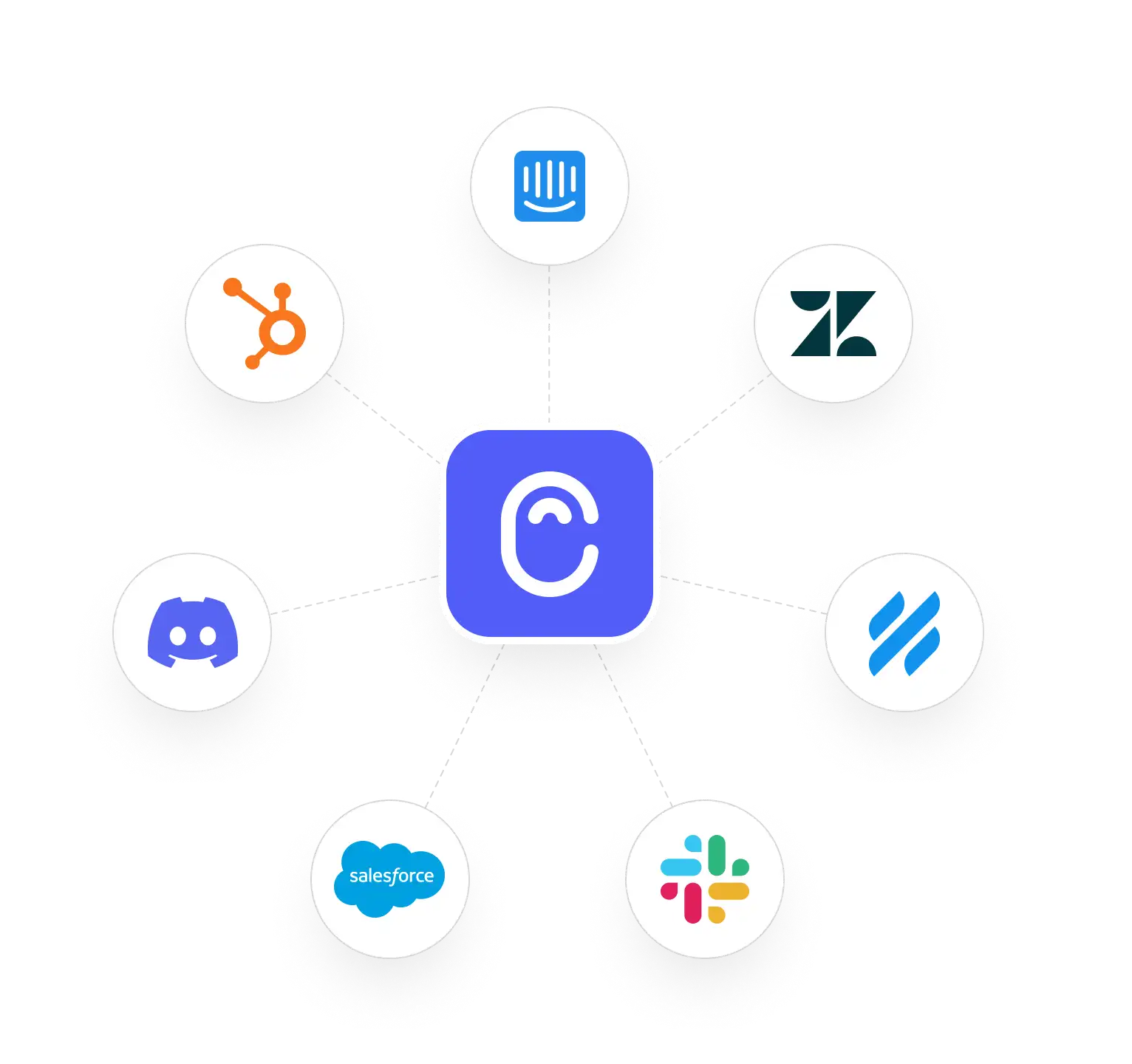
- Integration Options: Connect seamlessly with existing tools and workflows
Why Customer Feedback Matters
Customer feedback serves as the cornerstone of product development and business growth. By implementing Canny, organizations can:
- Reduce Development Waste
- Increase Customer Satisfaction
- Make Informed Product Decisions
- Build Stronger Customer Relationships
The Impact on Product Development
When teams utilize Canny effectively, they experience:
- Shorter Development Cycles
- More Successful Feature Launches
- Higher User Adoption Rates
- Improved Customer Retention
Setting Up Canny for Success
Initial Configuration
Getting started with Canny requires careful consideration of your specific needs:
- Define Your Feedback Goals
- Choose Integration Points
- Set Up User Authentication
- Configure Board Categories
- Establish Workflow Rules
Best Practices for Implementation
To maximize the value of your Canny implementation:
- Start with Clear Guidelines
- Train Team Members Thoroughly
- Establish Response Protocols
- Monitor Engagement Metrics
- Regular System Reviews
Maximizing Canny’s Potential
Advanced Features
Canny offers sophisticated capabilities for power users:
- Custom Fields
- Advanced Analytics
- API Access
- Webhook Integration
- SSO Implementation
Integration Ecosystem
Connect Canny with your existing tools:
- Project Management Software
- Customer Support Platforms
- Communication Tools
- Development Environments
- Analytics Solutions
Measuring Success with Canny
Key Performance Indicators
Track these essential metrics:
- User Engagement Rates
- Feature Request Volume
- Implementation Success Rate
- Customer Satisfaction Scores
- Time to Resolution
Analytics and Reporting
Leverage Canny’s robust analytics to:
- Monitor Trends
- Track Feature Popularity
- Measure Team Performance
- Analyze Customer Sentiment
- Generate ROI Reports
Real-World Applications
Case Study Examples
Several organizations have transformed their product development through Canny:
- SaaS Companies
- E-commerce Platforms
- Educational Technology
- Mobile Applications
- Enterprise Solutions
Industry-Specific Benefits
Different sectors leverage Canny uniquely:
- Technology Sector
- Retail Industry
- Service Providers
- Educational Institutions
- Healthcare Organizations
Security and Compliance
Data Protection
Canny prioritizes security through:
- End-to-End Encryption
- Regular Security Audits
- Compliance Certifications
- Data Backup Systems
- Access Control Measures
Privacy Considerations
Important privacy features include:
- GDPR Compliance
- Data Retention Policies
- User Consent Management
- Privacy Settings Control
- Information Security Protocols
Cost and ROI Analysis
Pricing Structure
Understanding Canny’s investment requirements:
- Starter Plans
- Professional Options
- Enterprise Solutions
- Custom Packages
- Add-on Features
Return on Investment
Calculate the value through:
- Time Savings
- Resource Optimization
- Customer Satisfaction
- Feature Success Rate
- Development Efficiency
Common Challenges and Solutions
Implementation Issues
Address common hurdles:
- User Adoption
- Integration Complexity
- Data Migration
- Team Training
- Process Alignment
Troubleshooting Guide
Solutions for frequent challenges:
- Technical Issues
- User Management
- Integration Problems
- Performance Concerns
- Data Handling
Future of Feedback Management
Emerging Trends
Stay ahead with upcoming developments:
- AI Integration
- Predictive Analytics
- Automated Prioritization
- Enhanced Visualization
- Mobile Optimization
Industry Evolution
Prepare for changes in:
- Customer Expectations
- Technology Integration
- Data Analysis
- User Experience
- Feature Development
Frequently Asked Questions
Q: How does Canny differ from traditional feedback systems? A: Canny offers a more streamlined, integrated approach to feedback management, focusing on actionable insights and clear communication channels.
Q: Can Canny integrate with existing tools? A: Yes, Canny provides extensive integration options with popular project management, communication, and development tools.
Q: What size organization is Canny best suited for? A: Canny scales effectively from small startups to large enterprises, with customizable features for different organizational needs.
Q: How long does implementation typically take? A: Basic setup can be completed in hours, while full enterprise implementation might take several weeks depending on complexity.
Making the Most of Your Feedback Journey
Transform your product development process by embracing the power of structured feedback management.