Discover LiveKit- Open Source Infrastructure for Real-Time Audio and Video
In an era where digital communication is paramount, the demand for high-quality real-time audio and video experiences has surged. LiveKit is an innovative, open-source infrastructure designed to help developers build and scale real-time audio and video applications effortlessly. Whether you’re looking to create audio-only spaces, live classrooms, in-game video chat, or collaborative screen sharing, LiveKit provides the necessary APIs and tools to bring your ideas to life. In this article, we will explore what LiveKit is, its key features, benefits, and how it can transform your applications.
Understanding LiveKit
LiveKit is a free, open-source platform that enables developers to integrate real-time audio and video capabilities into their applications. Launched to address the growing need for seamless communication tools, LiveKit offers a robust set of APIs that simplify the process of building interactive audio and video experiences. With its focus on scalability and performance, LiveKit is suitable for a wide range of applications, from social media platforms to educational tools and gaming environments.
Key Features of LiveKit
LiveKit is packed with features that make it a powerful choice for developers looking to implement real-time audio and video functionalities. Here are some of the most notable:
Open Source: LiveKit is fully open-source, allowing developers to customize and extend the platform according to their specific needs. This transparency fosters a community-driven approach to development and innovation.
Scalable Architecture: LiveKit is designed to scale effortlessly, accommodating a growing number of users without compromising performance. This scalability is crucial for applications that experience fluctuating user loads.
High-Quality Audio and Video: LiveKit provides high-fidelity audio and video streaming, ensuring that users enjoy a seamless communication experience. The platform supports various codecs and adaptive bitrate streaming to optimize performance.
Flexible APIs: The platform offers a comprehensive set of APIs that enable developers to build a wide range of real-time experiences. These APIs simplify the integration of audio and video functionalities into existing applications.
Cross-Platform Support: LiveKit supports multiple platforms, including web, iOS, and Android, allowing developers to create applications that work seamlessly across devices.
Secure Communication: LiveKit prioritizes security, implementing encryption and secure signaling to protect user data and ensure safe communication.
Easy Integration: With detailed documentation and examples, LiveKit makes it easy for developers to integrate real-time audio and video capabilities into their applications quickly.
How LiveKit Works
To fully appreciate the capabilities of LiveKit, it’s essential to understand how it operates. The platform is designed to facilitate real-time communication through a series of straightforward steps.
Step 1: Setting Up LiveKit
Getting started with LiveKit is simple. Developers can set up a LiveKit server by following the installation instructions provided in the documentation. The open-source nature of LiveKit allows for easy deployment on various cloud providers or on-premises servers.
Step 2: Creating a Room
Once the server is set up, developers can create a room where users can join for audio or video communication. Rooms can be configured with specific settings, such as access controls and media options.
Step 3: Integrating the SDK
Developers can integrate the LiveKit SDK into their applications. The SDK provides the necessary tools to connect to the LiveKit server, manage user sessions, and handle audio and video streams.
Step 4: Joining a Room
Users can join a room using the application interface. Once connected, they can participate in audio or video conversations, share their screens, and interact with other participants.
Step 5: Managing Media Streams
LiveKit allows developers to manage media streams dynamically. This includes muting or unmuting audio, starting or stopping video streams, and sharing screens. The platform ensures that all changes are reflected in real-time for all participants.
Step 6: Monitoring and Scaling
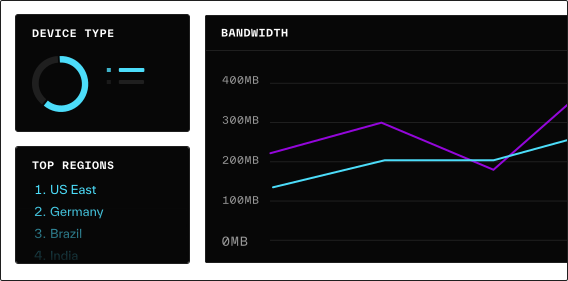
As the application grows, developers can monitor performance metrics and scale the LiveKit infrastructure as needed. This flexibility ensures that the application can handle increased user loads without sacrificing quality.
Benefits of Using LiveKit
The advantages of using LiveKit extend beyond just real-time communication. Here are some key benefits that developers and organizations can expect:
Cost-Effective Solution
As a free and open-source platform, LiveKit provides a cost-effective solution for developers looking to integrate real-time audio and video capabilities into their applications. This affordability allows startups and small businesses to leverage advanced communication features without significant financial investment.
Enhanced User Engagement
Real-time audio and video capabilities enhance user engagement by enabling interactive communication. Whether in a classroom setting or a gaming environment, LiveKit fosters collaboration and connection among users.
Customization and Flexibility
The open-source nature of LiveKit allows developers to customize the platform to meet their specific needs. This flexibility enables the creation of unique user experiences tailored to different applications.
High Performance and Reliability
LiveKit’s scalable architecture ensures high performance and reliability, even during peak usage times. Developers can trust that their applications will deliver a seamless experience to users, regardless of the number of participants.
Strong Community Support
Being an open-source project, LiveKit benefits from a vibrant community of developers who contribute to its ongoing development and improvement. This community support provides valuable resources, including documentation, tutorials, and forums for troubleshooting.
Use Cases for LiveKit
LiveKit is versatile and can be applied across various industries and functions. Here are some common use cases:
Online Education
LiveKit is ideal for creating online classrooms where educators can conduct live lectures, share presentations, and interact with students in real-time. The platform’s audio and video capabilities enhance the learning experience and foster engagement.
Telehealth Services
Healthcare providers can use LiveKit to facilitate telehealth consultations, allowing patients to connect with doctors via secure video calls. This capability improves access to healthcare services and enhances patient care.
Gaming Applications
Game developers can leverage LiveKit to create in-game video chat features, enabling players to communicate and collaborate during gameplay. This functionality enhances the social aspect of gaming and improves the overall user experience.
Virtual Events
LiveKit can be used to host virtual events, such as conferences and webinars, where participants can engage in discussions, ask questions, and network with others. The platform’s real-time capabilities make it suitable for interactive events.
Collaborative Workspaces
Businesses can utilize LiveKit to create collaborative workspaces where teams can hold meetings, share screens, and brainstorm ideas in real-time. This functionality enhances remote collaboration and productivity.
Getting Started with LiveKit
If you’re ready to enhance your applications with real-time audio and video capabilities using LiveKit, getting started is easy. Here’s a step-by-step guide:
Set Up LiveKit Server: Follow the installation instructions in the LiveKit documentation to set up your LiveKit server.
Create a Room: Configure a room for users to join, setting any necessary access controls and media options.
Integrate the SDK: Add the LiveKit SDK to your application to enable real-time audio and video functionalities.
Join a Room: Implement the user interface that allows users to join the room and participate in audio or video conversations.
Manage Media Streams: Use LiveKit’s APIs to manage audio and video streams dynamically, ensuring a smooth user experience.
Monitor and Scale: Keep an eye on performance metrics and scale your LiveKit infrastructure as needed to accommodate user growth.
Frequently Asked Questions
What is LiveKit?
LiveKit is a free, open-source infrastructure for building and scaling real-time audio and video experiences in applications.
Is LiveKit free to use?
Yes, LiveKit is completely free and open-source, allowing developers to use and customize the platform without any licensing fees.
What types of applications can benefit from LiveKit?
LiveKit can enhance a wide range of applications, including online education platforms, telehealth services, gaming applications, virtual events, and collaborative workspaces.
How does LiveKit ensure secure communication?
LiveKit implements encryption and secure signaling to protect user data and ensure safe communication during audio and video sessions.
Can I customize LiveKit for my specific needs?
Yes, as an open-source platform, LiveKit allows developers to customize and extend its functionalities to meet their specific requirements.
Final Thoughts
LiveKit is revolutionizing the way developers approach real-time audio and video communication. With its open-source infrastructure, scalable architecture, and comprehensive APIs, LiveKit empowers developers to create engaging and interactive experiences in their applications. If you’re looking to enhance your application with real-time capabilities, LiveKit is the solution you need to bring your ideas to life.